When a person breaks down without advising, every second is loud with uncertainty. Is it a seizure? Are they collapsing? Do I touch them? Those who act swiftly with hands-only CPR buy time that a heart seriously requires. Self-confidence is what turns spectators into lifesavers, and confidence is not a personality trait, it is a skill you can learn and maintain current with practice. I have actually taught numerous grownups and teens in area halls, gyms, and tiny work environments. The pattern is consistent: many people get here worried, many stress over slipping up, and by the end they push much deeper, matter louder, and move faster due to the fact that they understand what issues and what does not.
This overview structures hands-only CPR as a craft. It shows how to learn a way that sticks, just how to stay clear of usual catches, and how to incorporate it into daily readiness. Whether you take a cpr course as a standalone or within a wider first aid course, the objective coincides: strong compressions began early, with minimal pause.
What hands-only CPR does, and when it works
Hands-only CPR focuses completely on breast compressions, without rescue breaths. In the very first minutes after sudden cardiac arrest, there is still oxygen in the blood and lungs. The immediate demand is flow. Compressions relocate blood to the mind and heart muscle mass, maintaining cells up until a defibrillator can reset the rhythm and paramedics can take over.
Evidence from huge registries shows that hands-only CPR by bystanders improves survival for grown-up out-of-hospital heart attack, particularly those with a witnessed collapse and a shockable rhythm. In my courses, I present it in this manner: if a grown-up all of a sudden drops and is not breathing usually, push hard and fast in the facility of the upper body and do not stop until help or an AED takes over. For qualified rescuers comfy with full first aid and cpr, adding breaths can assist in specific situations. Yet the simplicity of hands-only CPR gets rid of an obstacle that stops lots of people from beginning. No obstacle matters more than the fear of doing it wrong.
You ought to still think about basic CPR with breaths for babies and kids, drownings, overdoses, or when the collapse could be from respiratory failing. Those circumstances need oxygenation earlier. A great first aid and cpr course will show you exactly how to check out the scene and choose the ideal strategy without getting stuck in analysis.
The emotional obstacle: worry, question, and the onlooker effect
I ask new groups a straightforward inquiry: if your neighbor collapsed outside their home, would you begin CPR? Nearly every hand rises. Then I ask: what might stop you? The answers pour out. I may break a rib. Suppose they have a condition? Suppose I get taken legal action against? I am tiny, can I press hard sufficient? These are not unimportant. They are the covert brakes.
Training is where we replace fear with informed consent. Ribs often break, which is not failing. Do-gooder securities exist in several locations for those who provide sensible aid in great confidence. Infection risk from hands-only CPR is extremely reduced, and you can put a towel over the mouth if it assists you begin. When it comes to dimension and strength, tiny trainees routinely reach sufficient depth by securing their arm joints, stacking shoulders over the chest, and making use of body weight. I have actually enjoyed a 12-year-old compress efficiently with mentoring. Confidence does not eliminate worry, it organizes it.
The makeup that unlocks better compressions
Confidence expands promptly when individuals comprehend what their hands are in fact doing. Pushing the breast bone presses the heart in between the breastbone and spinal column, pressing blood ahead. Recoil, the spring-like return of the upper body, fills up the heart. Depth and price have to live together. If you push deep however slow, or quick however superficial, you shed the benefit.
In simple adult cases, your targets are straightforward. Aim for a deepness of regarding 5 to 6 centimeters, about a third of the breast. Keep the rate near 100 to 120 compressions per minute. Allow full recoil. Minimize stops. These numbers are not trivia, they are signposts. During a cpr refresher course, I in some cases have students press on a shower room range put on the manikin to feel what 5 centimeters requires. Lots of marvel it is greater than they first believed, yet the technique is learnable within minutes.
The initially 60 seconds: a realistic script
Many bystanders lose time to uncertainty. An easy manuscript reduces that hold-up. Below is a tight series I show and method in drills.
- Check responsiveness and breathing promptly. Touch the shoulders, yell, and try to find regular breathing. Periodic gasps are not regular breathing. Call for aid and send somebody for an AED. If alone with a mobile phone, put it on audio speaker and call emergency situation services. Do not leave the person. Expose the upper body and begin compressions. Hand positioning is the facility of the upper body, reduced half of the breast bone. Lock your elbows, shoulders over your hands. Push hard and fast, allow full recoil. Count out loud to keep rhythm. Go for 30 to 40 compressions every 20 seconds. When the AED gets here, turn it on and follow motivates. Return to compressions immediately after any kind of shock.
This script is not classy, it is sensible. In a first aid training setup, we drill it till it feels like muscle mass memory. The listing over fits into a min because that is the length of time it needs to take.
Building skill on a manikin that fights back
The ideal cpr training counts on responses. Modern training manikins click at a particular deepness or attach to an application that shows real-time price and recoil. Not every location has those devices, but also low-tech setups can deliver solid understanding if you trainer carefully.
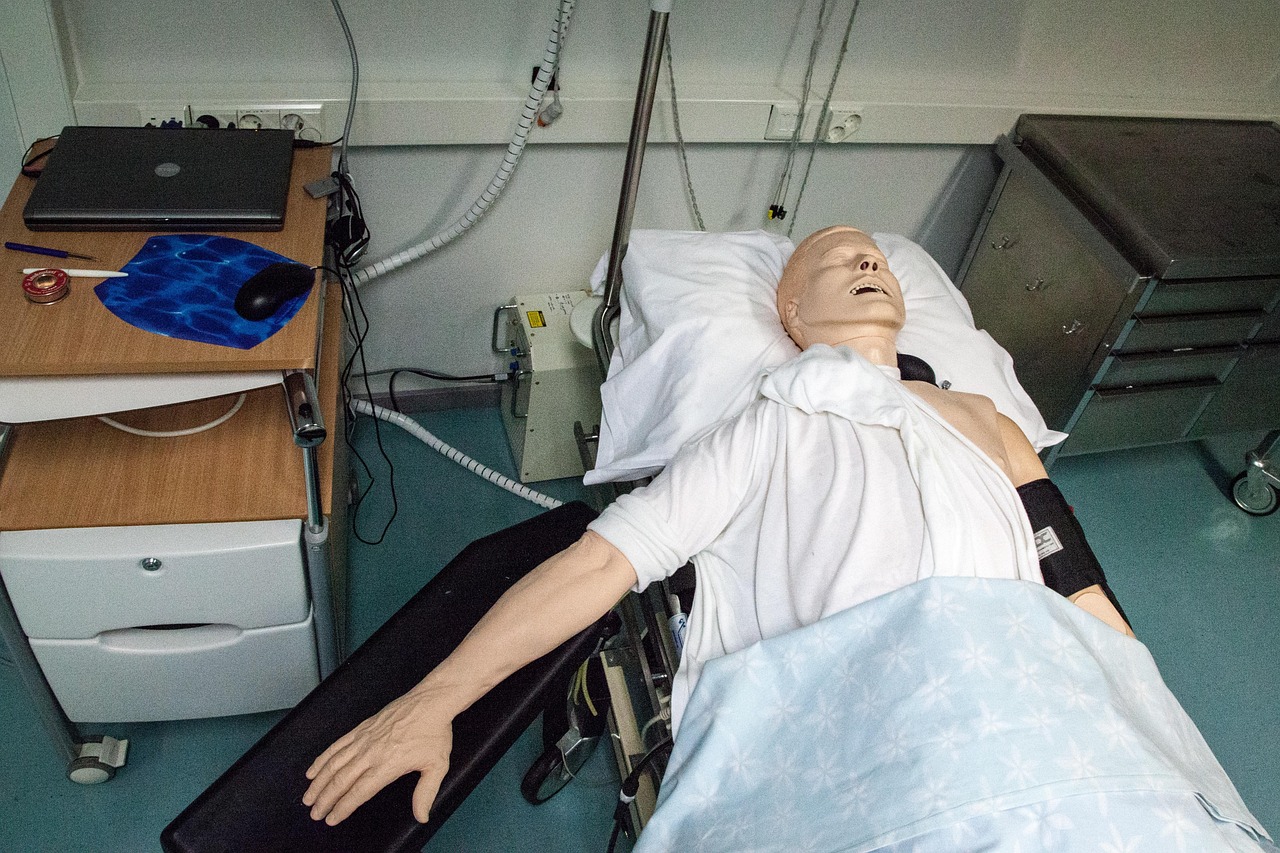
Look for these markers during practice. Compressions that reach target deepness most of the time. A steady rate in the 100 to 120 variety. No sticking around on the chest at the top of each recoil. Minimal time off the breast, specifically during AED configuration. I train with brief, concrete cues: faster, much deeper, completely up, suspend loud, button at the two-minute mark. A great first aid and cpr course includes timed experiment simulated fatigue. You learn just how your very own body reacts and exactly how to manage power, specifically throughout longer events.
One workout that dependably constructs self-confidence is the two-minute drill. Set a metronome to 110 beats per min. Beginning compressions and do not pick up a full two mins while a companion times you. When you end up, you will feel your shoulders and wrists. You will certainly likewise prove to yourself that you can maintain premium compressions for the typical interval between rescuer switches. We then switch over duties without delay to imitate the actual circulation. After 2 rounds, price and deepness usually improve for both partners.
The metronome, the song, and the beat you can keep under stress
People love songs hints for price. Tracks at concerning 100 to 120 beats per minute can assist, yet they are not constantly in your head when you require them. A metronome application, a smartwatch haptic setup, or the teacher's clap pattern trains your internal cadence. Exercise with the beat till you can maintain it within a 10-beat home window without the noise. Top notch cpr courses usually include rhythm training because price drift is just one of one of the most consistent errors. You begin at 110, after that tiredness presses you quicker or slower without seeing. Self-confidence includes the capacity to self-correct without electronics.
Hands-only CPR inside a more comprehensive first aid plan
CPR does not reside in a vacuum. It rests inside scene safety, activation of emergency services, and early defibrillation. I encourage work environments to incorporate a cpr course with a short AED familiarization and a customized first aid segment that covers acknowledgment of cardiac signs, choking, and overdose action. That incorporated method mirrors fact and gives individuals the judgment to switch over settings quickly.
Organizations that enlist multiple staff in first aid and cpr courses obtain an added advantage. They develop a typical language. When a person yells I have the AED, pads open, clear, the rest of the team knows when to stop and when to resume. A first aid certificate is more than a purse card. It signifies that you have actually drilled the choreography, not just the steps.
Practicing for edge situations without shedding the core
Real life complicates the script. Rain. Crushed rock. A jampacked shop floor. A tight lounge room. Difficult clothes. Body habitus. An agonal wheeze that techniques you into waiting. The way to prepare is to fold up side instances right into practice, not just discuss them in slides.
In outside scenarios, reposition for firm ground if you can do so First Aid Near Me Subiaco rapidly and safely. In cramped rooms, turn the target or on your own to get your shoulders over their upper body. For much heavier upper bodies, readjust hand positioning somewhat higher on the breast bone to prevent sliding and lean in with your body weight, keeping your wrists neutral to spare your hands. If the individual has an extremely prominent breast, broaden your base and secure your arm joint angle to preserve depth. If spectators crowd the scene, assign functions: you count compressions, a single person handles the phone and AED, another keeps the location clear. These are the minutes where prior drills repay. They change the unclear concept helpful with crisp actions.
Hygiene, obstacles, and the sensible truth of hands-only CPR
Fear of disease transmission commonly postpones activity. Hands-only CPR minimizes this threat additionally by removing mouth-to-mouth call for adult sudden collapses. If you have access to a face shield or obstacle tool from a first aid kit, keep it convenient for scenarios that require breaths, like pediatric apprehensions or sinking. For hands-only compressions, safety gloves behave to have yet do not await them if the scene is or else secure. After the event, laundry extensively and report the direct exposure to your employer or healthcare provider if any physical fluids gotten in touch with broken skin. Effectively equipped sets at home and job that consist of gloves and an obstacle mask remove another reason to hesitate.

The AED is your teammate, not a delicate instrument
I frequently see individuals treat the AED like a glass sculpture. They open it with reverence, review every line twice, and shed a precious min. AEDs are developed for turmoil. Open, power on, comply with the voice. If the chest is perspiring, wipe briefly and apply pads. If the individual has an extremely hairy upper body, cut rapidly with the consisted of razor or press one pad down, rip it off to clear hair, and then apply a brand-new pad. Do not be afraid placing pads over a pacemaker scar; just relocate slightly lateral to avoid the elevated device. Precious jewelry can remain, as long as pads make strong call on bare skin. The maker will certainly examine and suggest. Your duty is to resume compressions instantly after any shock and between evaluations. A solid cpr training session will let you take care of an AED adequate times that your fingers know just how to peel off the pads without fuss.
Fatigue management and team flow
High-quality compressions lose power as you tire. You may really feel fine, yet depth metrics slide. Switching compressors every two mins, or after 5 cycles if you are counting, shields high quality. In teams, pre-announce the activate your count. On thirty, you take control of at my one. The outward bound compressor lifts hands straight up to stay clear of bumping the greenhorns. Lessen the pause to much less than 5 seconds. Exercising this cadence in a first aid course pays rewards in actual response.
Solo rescuers encounter a tougher option. Stopping to relax costs blood circulation. Utilize your legs and aware of preserve arm strength, and let the AED's evaluation pauses be your micro-break. If you are alone and must get an AED situated very close by, the judgment phone call is to bring it only if the big salami is secs, not minutes. Self-confidence originates from rehearsing these choices beforehand in a regulated environment.
How to select training that develops genuine confidence
Not all courses feel the same. Some supply a slide deck and a worksheet. Others obtain you taking a breath hard on the floor covering. For hands-only CPR, focus on teachers and companies that highlight practice time, coaching, and scenario selection. Inquire about manikin comments, student-to-manikin proportion, and how frequently you will change roles. Look for cpr courses that include AED drills and that welcome concerns concerning neighborhood procedures and Do-gooder protections.
Comprehensive first aid courses can grow your readiness, especially if you are a moms and dad, instructor, or supervisor. Programs that incorporate first aid and cpr training often run half-day to full-day layouts. If you are preserving a first aid certificate for work, a cpr refresher course at 6 to twelve month periods keeps muscular tissue memory sharp. Muscle mass fail to remember, and so do hands.
Some suppliers, like https://launcestoncpr.au/ First Aid Pro and other recognized organizations, buy reasonable circumstances and modern-day training aids. The brand name matters much less than the technique, but credible carriers tend to uphold consistent top quality standards, preserve existing guidelines, and issue identified certification that employers accept.
Turning understanding into habit in your home and work
Training day ends. Actual readiness starts the following morning. Confidence expands when you make CPR a visible component of your setting. Area AED signage where individuals can see it. Keep the device opened and obtainable if plan allows. Place a quick-action card near phones that lists address, gain access to instructions, and the steps for hands-only CPR. During personnel meetings, turn a two-minute compression pierce quarterly. If you manage, align your emergency plan with your first aid and cpr course material so personnel are not presuming which playbook to follow.
At home, reveal relative where the first aid package is First Aid Course Rockhampton and how to put a phone on speaker. Teenagers find out swiftly and commonly outperform grownups on compression rhythm. Short refresher courses, even five minutes on a manikin at an area open day, keep the beat alive in your hands.

A quick instance study: from hesitation to activity in under a week
A little warehouse group finished a three-hour cpr training on a Thursday. The following Tuesday, a shipment chauffeur fell down near the loading dock. The closest worker identified agonal gasps, called for the AED, and started hands-only compressions within 20 seconds. One more staff member called the emergency number, a third cleared the pathway for responders. The AED arrived at the two-minute mark, recommended a shock, and compressions resumed right away. Paramedics showed up about seven minutes after collapse. The patient reclaimed a pulse en path. Debrief later on disclosed 2 sensible points that mattered. First, they had rehearsed who would order the AED and that would open eviction for the rescue. Second, their manager had actually firmly insisted every employee technique the two-minute drill two times. The team did not discuss whether they prepared. They did the following best thing in turn, which came from training that really felt close to real.
Avoiding usual errors without going after perfection
Perfection is a deluxe cardiac arrest does not offer. Still, a few reoccuring blunders are worth calling so you can prevent them. Waiting also long to begin because breathing looks irregular. Superficial compressions that secure ribs yet starve the brain. Leaning on the upper body and stopping recoil. Allowing the rate drift over 130 and missing depth. Stopping briefly for lengthy guidelines when the AED is currently informing you what to do. Taking care of any kind of among these raises the top quality of your initiative. Fixing two or three transforms it.
During a cpr refresher course, ask your teacher to look for these specifics and to provide you one mentoring factor at once. Grownups learn best with bite-sized adjustments. Film a brief clip of your compressions on a manikin for self-review. You will certainly notice position and joint angle problems much faster on video clip than in the moment.
The legislation, responsibility, and doing what is reasonable
Concern regarding lawful repercussions is common. The majority of areas have Good Samaritan laws that secure spectators who make aid in great faith and within their level of training. Sensible is the key word. Starting hands-only CPR on an unresponsive grownup that is not breathing typically is practical. Stopping only when an AED, paramedics, or clear signs of recovery appear is practical. Getting rid of precious jewelry with pressure or attempting invasive treatments is not. A trustworthy first aid and cpr course will outline your neighborhood structure without dragging you into legalese. The objective is not to transform you right into a lawyer, it is to clear the path to action.
Sustaining confidence: simple routines that keep abilities alive
Confidence fades if you leave it on the rack. Keep it alive with brief, foreseeable habits. Combine a monthly calendar suggestion with a two-minute visualization: envision a collapse in your most acquainted area and run the manuscript in your head. If you have access to a practice manikin at a community center or gym, decrease in for 5 mins and run a compression drill. When brand-new staff join your group, exercise the functions once again so the choreography stays fresh. Refresher courses do not require to be sophisticated to be effective, they require to be regular.
For formal upkeep, slot a cpr refresher course annually or when guidelines upgrade. If your function calls for a first aid certificate, track the expiration and publication early. First aid courses fill promptly, and you want time to exercise, not press it in between deadlines.
Why hands-only CPR training really feels different when taught well
Good instruction modifications just how you really feel regarding emergencies. Rather than picturing chaos, you picture the very first compressions. As opposed to envisioning a lawsuit, you imagine the AED pads landing in the proper spots. Rather than thinking about every little thing that can fail, you consider minority activities that tilt the chances. That mental change is confidence. It does not silence nerves, it aligns them with purpose.
Over the years, I have seen peaceful individuals lead scenes, teenagers train grownups with AED triggers, and small-framed personnel provide textbook compressions. None of that came from bravado. It originated from organized technique, clear comments, and repetition. The heart does not care if you are extroverted, just if you start.
Final thoughts worth carrying with you
If you remember nothing else, remember this: when an adult collapses and is not taking a breath usually, hands-only CPR started within the initial minute can double or even triple the chance of meaningful survival in the ideal rhythms. You do not require to be a doctor. You need to press hard and fast in the center of the chest, enable complete recoil, decrease stops, and make use of an AED as soon as it arrives.
Take a cpr course that makes you sweat, not simply think. Fold it right into a thorough first aid course if you can. Maintain your first aid certificate current. Reserve a cpr refresher course prior to your confidence dips. Then live your life, recognizing that if an unfamiliar person or liked one needs you, your hands will certainly recognize what to do.